What Is Energy Efficient Window Film?
Energy efficient window film is an engineered, micro-thin laminate designed to control solar heat gain, reduce glare, and block UV (ultraviolet) radiation without replacing existing glazing. Applied to the interior face of your glass, modern spectrally selective coatings filter IR (infrared) energy while preserving natural daylight and views. The result is a cooler interior in summer, warmer glass in winter, and a measurable reduction in cooling and heating loads for your heating, ventilation, and air conditioning (HVAC) system. For homes, offices, hospitals, schools, factories, and hospitality venues on the Sunshine Coast, Queensland (QLD), professionally installed films from Glaze Window Tinting provide a swift, non-disruptive upgrade to comfort and efficiency that compares favorably with far costlier window replacements.
- Reject significant solar heat while maintaining clear outward views.
- Cut glare to improve visual comfort at screens and workstations.
- Block up to 99 percent of UV (ultraviolet) to protect interiors from fading.
- Enhance privacy, security, and aesthetics with a range of finishes.
Why Energy Efficiency Matters on the Sunshine Coast
The Sunshine Coast climate delivers high solar exposure for much of the year, which means windows can act like radiators unless they are managed intelligently. Industry analyses attribute 25 to 40 percent of a building’s cooling load to solar heat gain through glazing, and a single west-facing pane can drive persistent hot spots that your heating, ventilation, and air conditioning (HVAC) equipment must combat hour after hour. Energy efficient window film targets the root cause by lowering SHGC (solar heat gain coefficient) and reducing IR (infrared) transmission, thereby flattening peak loads, stabilizing interior temperatures, and reducing compressor run time. Beyond comfort, this can support organisational sustainability goals by reducing energy consumption and associated carbon emissions.
| Property Type | Typical Glazed Area (m²) | Typical Cooling Energy Reduction |
|---|---|---|
| Home (200 m²) | 35 | 12–18% |
| Office (1,500 m²) | 250 | 8–15% |
| Warehouse + Office | 160 | 6–10% |
| School Block | 200 | 10–15% |
Note: the figures above are illustrative examples and regionally dependent. Actual performance depends on orientation, glazing type, shading devices, internal loads, thermostat setpoints, and operating hours. Glaze Window Tinting offers on-site assessments and can perform temperature spot checks and light/glare measurements to inform product selection and recommendations. For detailed, site-specific energy or financial modelling, clients should commission a bespoke energy assessment.
Types of Energy Efficient Window Film and How to Choose
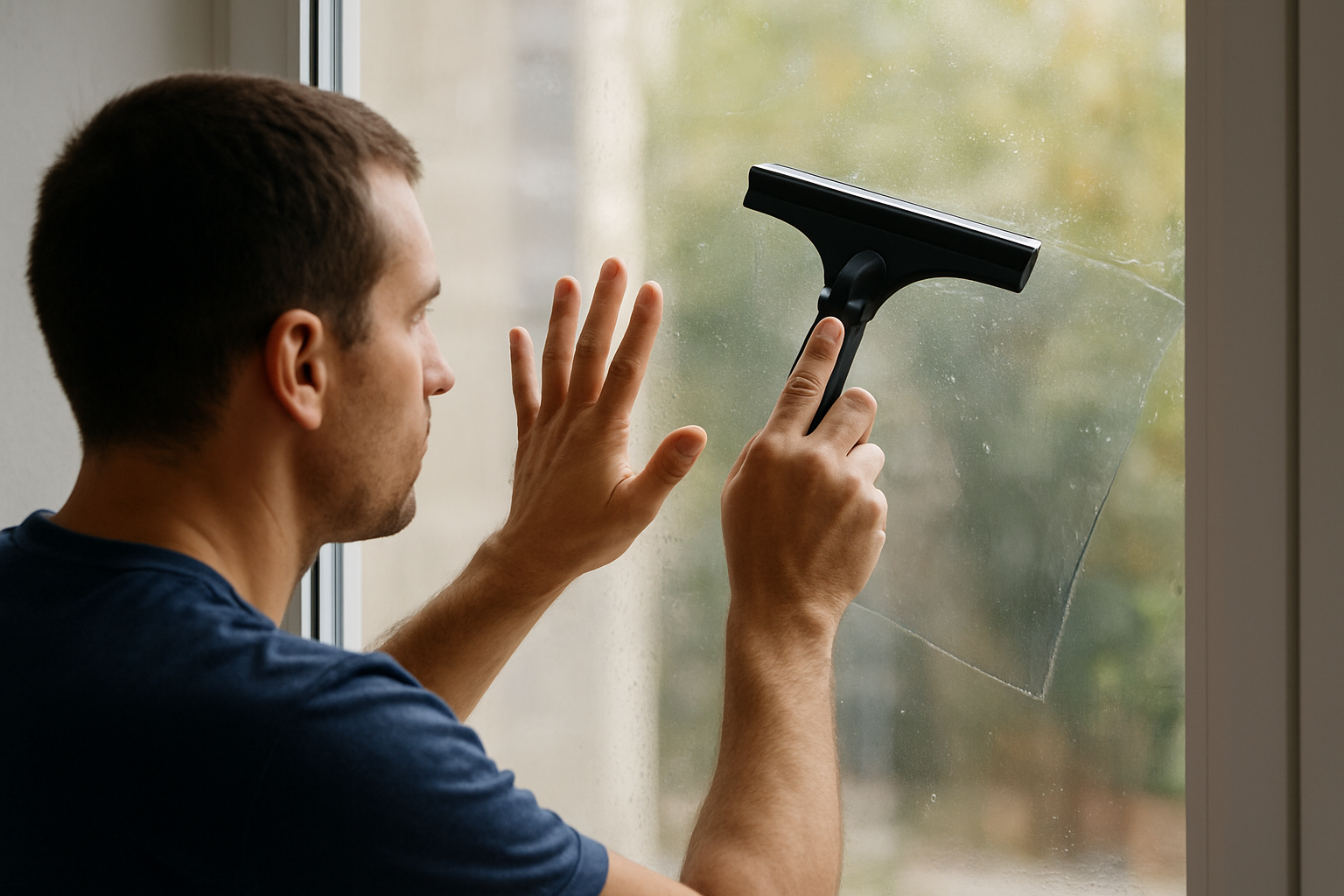
Not all films behave the same; the optimal selection balances visible light transmission, solar heat rejection, glare control, appearance, and compliance with glass safety guidelines. Spectrally selective films prioritize IR (infrared) rejection with minimal tint to keep spaces bright, while ceramic films offer durable, corrosion-resistant performance ideal for coastal conditions. Dual-reflective films deliver powerful daytime privacy and glare reduction for screen-intensive environments, and neutral or grey tints provide a subtler aesthetic for residential projects. For winter performance, low-e insulating films reduce heat loss by improving interior surface emissivity, moderating radiant chill near large panes. If impact resistance is a concern, safety and security laminates can be specified, and in many cases combined with solar control for a single, multifunctional solution. Glaze Window Tinting matches product to purpose, ensuring SHGC (solar heat gain coefficient), VLT (visible light transmission), and warranty terms align with your building’s needs, whether you manage a hospital ward, a school library, a day care nap room, or an open-plan office.
| Film Type | VLT (visible light transmission) | Solar Heat Rejection | UV (ultraviolet) Block | Glare Reduction | Best For | Notes |
|---|---|---|---|---|---|---|
| Spectrally Selective (Clear) | 60–70% | 40–55% | ≈99% | 20–30% | Homes, storefronts, heritage | Near-invisible; preserves natural daylight and views. |
| Ceramic | 40–60% | 50–65% | ≈99% | 30–50% | Coastal offices, healthcare | Non-metallic; excellent durability and signal-friendly. |
| Dual-Reflective | 15–35% | 60–80% | ≈99% | 60–80% | Commercial screens, privacy | Strong outward reflectivity by day; balanced interior look at night. |
| Neutral/Grey | 20–35% | 50–65% | ≈99% | 50–70% | Residential, hospitality | Subtle tone; complements diverse interiors. |
| Low-E Insulating | 50–70% | 45–60% | ≈99% | 20–30% | Mixed climates, comfort | Improves winter comfort by moderating radiant heat loss. |
| Decorative/Frosted | Varies | Low–Moderate | ≈99% | Varies | Privacy, branding | Energy impact secondary; strong visual privacy and daylight diffusion. |
Installation Excellence, Warranties, and Lifecycle Performance
High-performance outcomes are driven as much by installation quality as by product selection. Glaze Window Tinting’s trained technicians prepare the glass meticulously, employ contamination-minimizing techniques, and finish edges cleanly to ensure optical clarity and long-term adhesion. For occupied facilities, works are sequenced to minimize disruption, with rooms returned to service typically within hours, and with safety measures suited to hospitals, aged care facilities, schools, day care centers, and sensitive environments. After curing, films require only routine cleaning and will continue to block UV (ultraviolet), reduce IR (infrared), and stabilize SHGC (solar heat gain coefficient) for decades under normal conditions. Critically, Glaze Window Tinting specifies high-quality films backed by manufacturer lifetime warranties, giving you asset-level assurance against peeling, bubbling, discoloration, and adhesive failure. This lifecycle reliability strengthens investment cases and underpins consistent comfort, glare control, and energy savings throughout the film’s service life.
- Works scheduled to suit business hours, including after-hours for offices, pubs, and clubs.
- Glass suitability assessed to comply with the Building Code of Australia (BCA) and glazing standards.
- Documentation for facilities teams, including care guides and product data sheets.
- Post-install checks: temperature spot readings and optional light/glare measurements.
Real Results: Sunshine Coast Case Snapshots
Consider a Maroochydore professional services office with persistent west-facing glare that reduced productivity by mid-afternoon. A dual-reflective specification lowered interior surface temperatures by 4–6°C at peak, cut measured glare by approximately 70 percent, and reduced the zone’s cooling run time by an estimated 12 percent over comparable weeks, corroborated by interval meter data and staff feedback. In a Caloundra distribution warehouse, ceramic film applied to mezzanine offices eliminated hot spots that were forcing annual thermostat creep, stabilizing comfort while trimming energy expenses by more than $1,000 annually. For a Buderim residence with expansive glazing and treasured artwork, a spectrally selective solution maintained a bright, natural aesthetic while blocking 99 percent of UV (ultraviolet) and markedly slowing fabric and flooring fade. These outcomes were achieved with clean, efficient installation by the fully insured, locally knowledgeable Glaze Window Tinting team using advanced techniques honed over 20 years.
- Office: Improved monitor visibility; fewer complaints; smoother heating, ventilation, and air conditioning (HVAC) cycling.
- Warehouse: Reduced afternoon heat spikes; less occupant reliance on portable cooling.
- Home: Protected furnishings; maintained street appeal with near-invisible finish.
Design Integration, Controls, and Best Practices
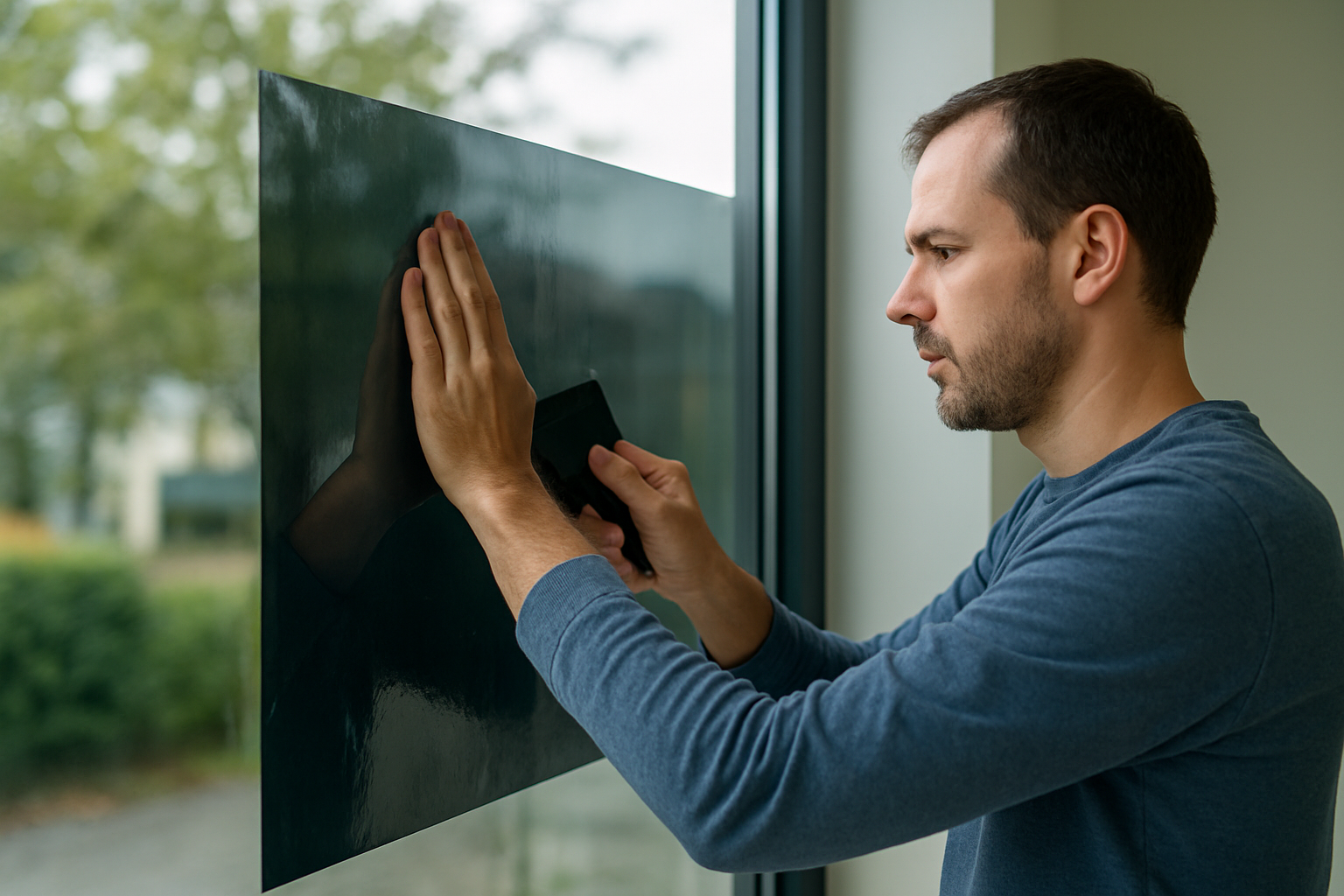
Energy efficient window film works best as part of a layered strategy that respects orientation, shading devices, internal gains, and controls. After installation, a modest upward adjustment of cooling setpoints can lock in additional savings, since occupants perceive comfort at higher air temperatures when radiant asymmetry at windows is reduced. It is also prudent to align film performance with automation in your BMS (building management system), ensuring blinds, daylight harvesting, and after-hours setback schedules complement the film’s effect. For compliance and safety, Glaze Window Tinting assesses glass type, edge conditions, and existing coatings before recommending solar, decorative, or safety-rated solutions, and can provide guidance aligned with Australian standards and the Building Code of Australia (BCA). Think of film as a precision lens for your building envelope: it refines what sunlight contributes and what it leaves out, so your heating, ventilation, and air conditioning (HVAC) plant can operate with less strain and at lower cost.
- Audit: Map window orientations, hot spots, and critical glare zones at different times of day.
- Model: Set performance targets for SHGC (solar heat gain coefficient), VLT (visible light transmission), and privacy outcomes.
- Select: Match film chemistry to coastal conditions, aesthetics, and warranty priorities.
- Install: Sequence rooms to minimize downtime; protect furnishings; verify safety.
- Tune: Adjust thermostats and blinds to capture all available efficiency gains.
- Verify: Compare utility bills or spot-metered data pre- and post-install for ROI (return on investment).
Why Glaze Window Tinting Is the Trusted Partner
With over 20 years serving Sunshine Coast homes and businesses, Glaze Window Tinting pairs deep technical expertise with a customer-first process that treats each site as unique. You can choose from dark, invisible, reflective, or frosted finishes, plus security and safety laminates that complement energy goals, privacy needs, and brand aesthetics. The team’s advanced installation methods enhance energy efficiency and glare reduction while preserving optical quality, and every recommendation is tailored through an on-site assessment that considers your glazing, usage patterns, and comfort priorities. Most importantly, Glaze Window Tinting supplies high-quality films backed by manufacturer lifetime warranties, so you can invest with conviction in durable, long-term performance. Whether you operate an office, a factory, a warehouse, a hospital, an aged care facility, a school, a day care center, a pub, a club, or a home, expect exceptional service, meticulous workmanship, and measurable results you can feel and verify.
- Personalized solutions built around your building’s orientation, glass, and occupancy profile.
- Fully insured, local team with rapid response and reliable scheduling.
- Transparent proposals including performance data and warranty terms.
- Aftercare support for cleaning, minor adjustments, and future expansions.
Picture a simple diagram: a cross-section of glass where IR (infrared) wavelengths are reflected outward, UV (ultraviolet) is absorbed or blocked, and visible light is transmitted to preserve daylight. That is the essence of well-chosen film—reduce the heat, keep the light, protect what matters.
Conclusion
When chosen and installed well, window film turns panes into precision solar managers that lower costs, tame glare, and protect interiors without sacrificing daylight or views. Imagine the next 12 months with steadier temperatures, fewer hot spots, and a calmer acoustic-visual environment that helps people think, heal, teach, and relax more effectively. What would consistent comfort and lower energy bills allow you to redirect toward your mission?
For a data-backed, warranty-secured upgrade, partner with a specialist and make energy efficient window film work as hard as your building does, season after season.
Additional Resources
Explore these authoritative resources to dive deeper into energy efficient window film.
Elevate Energy Efficiency with Glaze Window Tinting
Across Sunshine Coast homes, offices, warehouses, schools, hospitals, pubs, clubs and care facilities, Glaze Window Tinting’s high-quality films with manufacturer lifetime warranties cut heat, glare, raise privacy and safety, and elevate comfort and aesthetics.