 Skip to content
Heat Rejection Window Film for West Facing Windows Sunshine Coast: Glaze Window Tinting’s 5-Step Fix to Cut Afternoon Heat, Glare & UV
When the afternoon sun swings low over the Sunshine Coast, west-facing rooms can feel like a greenhouse at exactly the time you want them comfortable and productive. If you are researching heat rejection window film for west facing windows sunshine coast, you are likely dealing with oppressive late-day heat, blinding reflections, and furniture fading that arrives with each clear sky. Those same rays drive up cooling costs for homes as well as offices, retail shopfronts, shopping centres and other commercial properties. Glaze Window Tinting, a family-owned Sunshine Coast specialist with more than 20 years of residential and commercial experience, applies a proven five-step method to tame harsh solar gain while preserving natural light and design intent. By combining advanced film technology that blocks infrared heat and ultraviolet radiation, precise specification, and expert installation backed by manufacturer-backed lifetime warranties, we turn west-facing glass into an asset rather than a liability.
Why West-Facing Windows on the Sunshine Coast Demand Specialist Films
Afternoon solar angles strike west-facing glass more directly, which intensifies solar heat gain and multiplies glare as the sun lowers toward the horizon. In summer, incident solar energy on clear days can exceed levels that push room temperatures several degrees higher than adjacent spaces, even with blinds closed. The result is localized hot zones, uncomfortable eye strain, and a surge in air conditioning use just as everyone arrives home or the late shift is in full swing. Without intervention, furniture, floors, and artwork fade prematurely as ultraviolet radiation compounds the damage caused by heat and visible light. Specialist films engineered for thermal and optical control reduce these loads dramatically while allowing enough daylight to keep interiors bright, calm, and functional. Think of it as installing a precision sunshade designed not to sag or flap in the wind and to perform quietly year-round.
The business case is equally compelling because thermal comfort and visual comfort are not optional in modern buildings. Commercial managers often see late-afternoon peaks strain heating, ventilation and air conditioning (HVAC) systems, nudging setpoints downward and energy bills upward. In a typical Sunshine Coast office, targeted solar control films can reduce cooling energy use by notable percentages while stabilizing meeting rooms and open-plan spaces. In homes, families enjoy west-facing living areas again, and bedrooms cool faster after sunset. Glaze Window Tinting designs solutions around your glass type, occupancy pattern, and view priorities, aligning aesthetics with performance rather than forcing a compromise. By reducing heat and glare at the glazing, the whole building works smarter — from the HVAC (heating, ventilation and air conditioning) compressor cycle to the way your eyes and skin experience the space.
- Cut late-day heat gain that overwhelms cooling systems and comfort.
- Reduce glare that causes squinting, headaches, and screen reflections.
- Block 99 percent of ultraviolet radiation to slow fading of interiors.
- Enhance privacy by day without sacrificing outward views.
- Stabilize room temperatures so setpoints and bills trend lower.
Heat Rejection Window Film for West Facing Windows Sunshine Coast: What It Does and How It Works
Modern solar control films use micro-thin metallic, ceramic, or spectrally selective layers to reflect and absorb targeted wavelengths before they enter your rooms. These coatings interrupt the path of infrared heat that makes spaces feel stifling and the ultraviolet radiation that fades fabrics and timber, while preserving as much useful daylight as the design requires. Performance is commonly described by total solar energy rejected, the visible light transmission that dictates how bright a room remains, and the glare reduction you actually feel at your desk or on the sofa. By altering the balance of reflected and transmitted energy, the best films reduce solar heat gain through the glass and the secondary heat re-radiated by interior surfaces that would otherwise soak up the afternoon sun.
Watch This Helpful Video
To help you better understand heat rejection window film for west facing windows sunshine coast, we’ve included this informative video from Yash9w. It provides valuable insights and visual demonstrations that complement the written content.
Orientation matters, which is why west-facing sets a high bar for any specification. Reflective or dual-reflective films often deliver the strongest raw heat rejection and glare relief for windows that absorb long, hot afternoons, though many ceramics and spectrally selective films now rival those figures with a more neutral appearance. During daylight, outward-facing reflectivity enhances privacy for street-front rooms while a low interior reflectivity maintains night-time views. Glaze Window Tinting carries dark, invisible, reflective, and frosted options, and we tailor recommendations so homeowners, offices, and retail spaces receive solutions that integrate with façades, comply with glass safety standards, and meet comfort targets without unexpected side effects like mirror-like reflections at night.
Glaze Window Tinting’s 5-Step Fix to Cut Afternoon Heat, Glare and UV (ultraviolet)
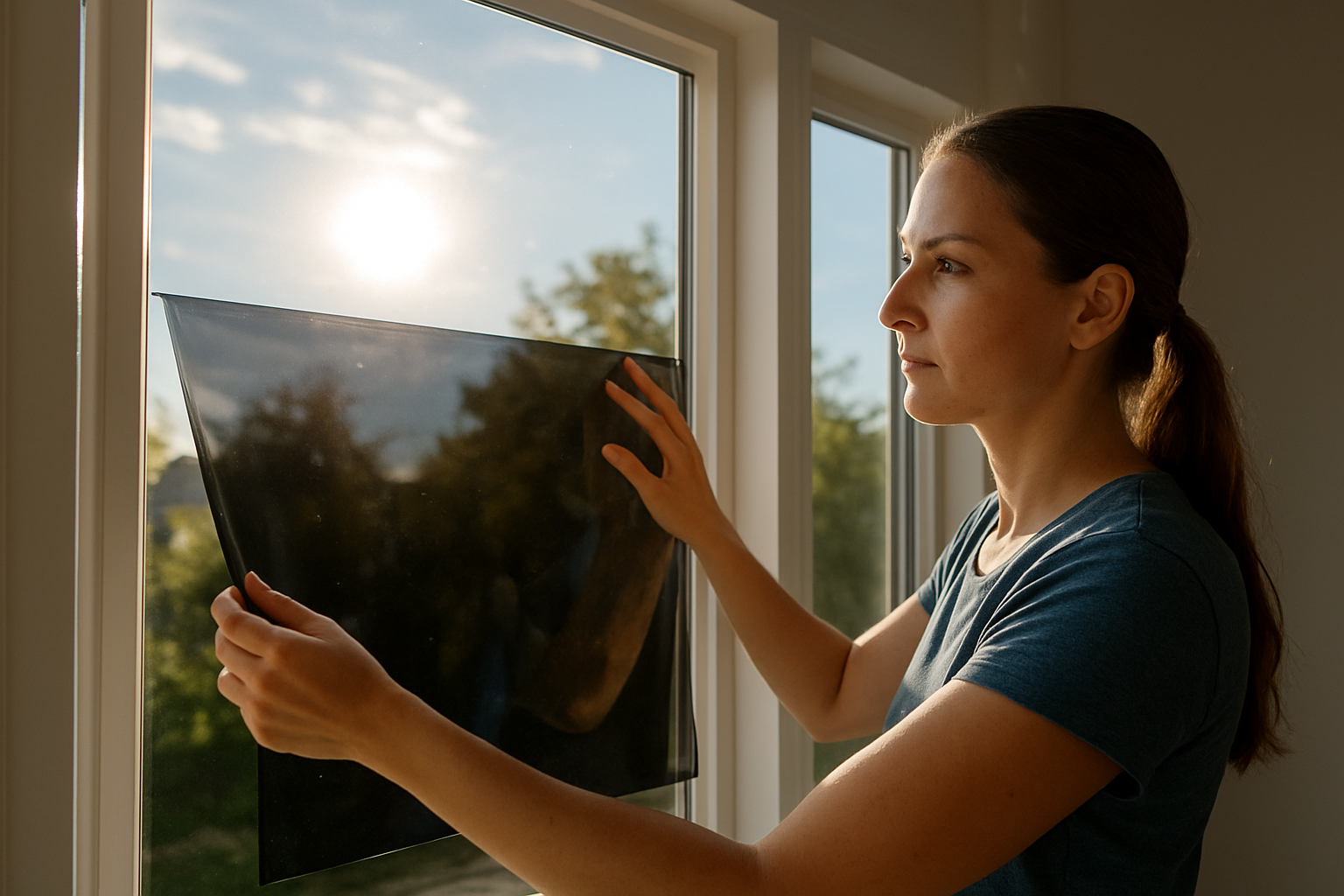
Process quality determines performance longevity, so our five-step method treats your project as a system rather than a quick stick-on. With more than two decades of residential and commercial tinting on the Sunshine Coast, a fully insured team, and techniques refined for energy efficiency and glare control, Glaze Window Tinting eliminates guesswork. We begin with diagnostics, match films to west-facing demands, and validate results after installation. Throughout, you receive clear communication, tidy workmanship, and films backed by manufacturer-backed lifetime warranties that protect your investment for the long haul. Whether you manage a hospital ward that must stay cool and calm or a home theatre that suffers from late-day reflections, this structured approach delivers predictable outcomes.
- Assessment and Measurement: We inspect glass type and condition, map sun paths, and record baseline temperatures, light levels, and glare indicators in the late afternoon when west-facing stress peaks.
- Specification and Simulation: We shortlist films by heat rejection, visible light transmission, privacy, and aesthetics, then model expected temperature and glare improvements for your exact orientation and room use.
- Live Samples and View Tests: You see real film swatches on your glass in daylight, so decisions reflect true colour, clarity, and privacy, not brochure impressions.
- Cleanroom-Grade Installation: Surfaces are deep-cleaned, edges are precision-trimmed, and seals are set to manufacturer specifications to prevent contamination, bubbles, and lift.
- Verification and Care Handover: We re-measure thermal and visual comfort, register your manufacturer-backed lifetime warranty, and provide simple care guidance to protect clarity and performance.
The outcome is a west-facing envelope that behaves more like a shaded, insulated façade without replacing glass or sacrificing natural daylight. By intervening at the glazing, we reduce stress on HVAC (heating, ventilation and air conditioning) equipment, minimize glare-induced eye fatigue, and protect finishes from ultraviolet radiation, all while enhancing exterior symmetry and curb appeal.
Film Options and Performance Benchmarks for Sunshine Coast Projects
Different environments demand different balances of heat rejection, view quality, and privacy. For example, an executive office may accept a subtle reflective aesthetic to achieve stronger glare control, while a retail frontage may prefer high clarity to showcase merchandise. Our range covers dark, invisible, reflective, and frosted films, plus security and safety tinting solutions that add impact resistance. The table below summarizes typical ranges seen in quality films suitable for west-facing glass; actual values vary by manufacturer and glass type, and Glaze Window Tinting will confirm precise data during specification. By comparing these attributes, you can decide how to weight thermal comfort versus appearance for your space.
| Film Type | Appearance | Typical Total Solar Energy Rejected | Typical Glare Reduction | Ultraviolet Block | Best Use Cases | Notes |
|---|---|---|---|---|---|---|
| Ceramic | Neutral, low reflectivity | 50–62 percent | 40–60 percent | Up to 99 percent | Homes, offices, retail spaces needing high clarity | Strong performance without mirror look; stable colour |
| Dual-Reflective | Daytime reflective, low interior reflectivity | 60–70 percent | 60–80 percent | Up to 99 percent | Offices, living rooms facing street | Privacy by day with good night-time views |
| Metalized Reflective | High external reflectivity | 65–80 percent | 70–90 percent | Up to 99 percent | Sun-exposed offices and commercial façades | Maximum heat/glare cut; noticeable exterior mirror |
| Spectrally Selective | Very clear, lightly tinted | 45–55 percent | 20–40 percent | Up to 99 percent | Retail, view homes, hospitality | Preserves daylight and colour rendering |
| Clear UV Protection | Invisible | 20–35 percent | 0–15 percent | Up to 99 percent | Heritage façades, galleries | Focus on fade protection when glare is tolerable |
| Frosted Privacy | Translucent, decorative | 40–55 percent | 60–80 percent | Up to 99 percent | Bathrooms, clinics, ground-floor offices | Diffuses light, softens views for privacy |
While numbers guide selection, context locks in success. For laminated or double-glazed units, we verify compatibility to protect seals and avoid thermal stress. We also consider fire and glass safety obligations for hospitals and schools, and cleaning protocols in aged care to ensure longevity. The right film on the right glass can outperform a generic choice by a wide margin, particularly on the Sunshine Coast where afternoon angles are punishing much of the year. With high-quality films backed by manufacturer-backed lifetime warranties and installed by a locally knowledgeable, fully insured team, your west-facing façade can deliver comfort, protection, and polish for decades.
Real-World Outcomes for Homes and Workplaces
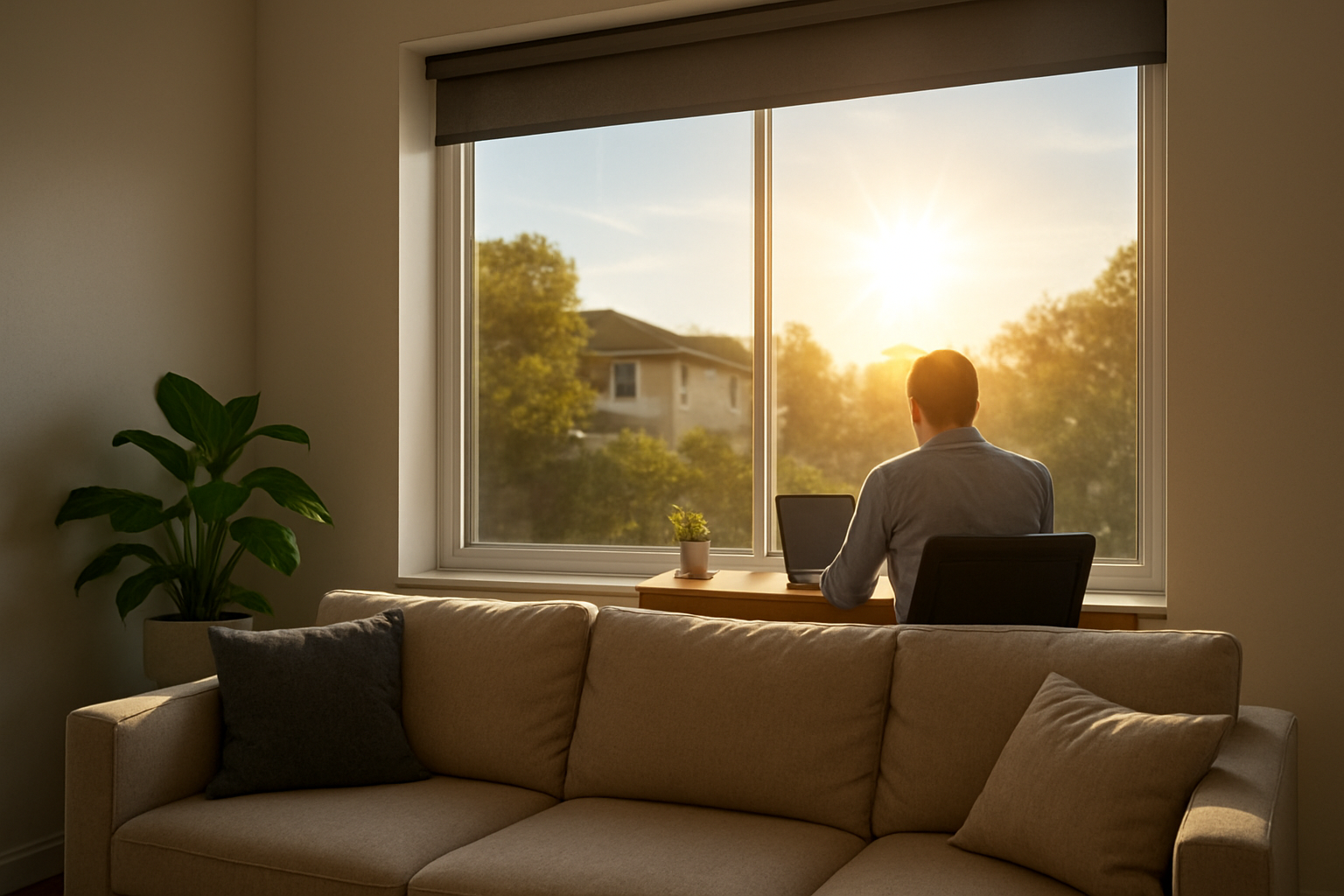
Sunny afternoons are where performance becomes personal: the living room where you read, the open-plan office where afternoon meetings happen, the school library where students gather after lunch. Glaze Window Tinting has delivered measurable gains across residential and commercial properties by addressing the source — solar gain at the glass — rather than simply running HVAC (heating, ventilation and air conditioning) harder. Typical results include four to six degrees Celsius reductions in peak room temperature, dramatic glare relief that makes screens legible again, and a near-total block of ultraviolet radiation to protect interiors. In many cases, the comfort uplift reclaims previously un-usable corners of rooms, while the visual calm reduces eyestrain and improves perceived quality of space.
| Location and Use | Problem | Solution | Result After Install | Estimated Payback |
|---|---|---|---|---|
| Buderim home, west lounge | Afternoon hot spot, screen glare | Dual-reflective film | 4–6°C cooler at 4 pm; 70 percent glare reduction | 2–3 summers |
| Maroochydore office, open plan | Late-day overheating, staff complaints | Ceramic film with high clarity | About 18 percent cooling energy reduction; better screen comfort | 2–2.5 years |
| Caloundra aged care, dining | Glare at mealtimes, fading décor | Spectrally selective film | 50 percent glare cut; 99 percent ultraviolet block; calmer ambience | 3 years |
| Coolum warehouse office | Heat load spikes from west glazing | Metalized reflective film | Strongest heat rejection; more stable afternoon setpoints | 1.5–2 years |
- Energy savings accumulate fastest where afternoon occupancy is high and west glazing is extensive.
- Glare reduction correlates directly with productivity and task quality for screen-heavy roles.
- Fade protection protects capital tied up in flooring, furniture, and displays.
- Privacy films deter opportunistic viewing into ground-floor spaces without blinds.
These outcomes reflect what most property owners want every afternoon: steady temperatures, comfortable brightness, and a view that still feels like the Sunshine Coast. Because our installations are tailored, homeowners and facilities managers choose their preferred balance of daylight, privacy, and appearance. Security and safety tinting options are available where impact resistance or shard retention is required, adding an extra layer of risk mitigation without sacrificing thermal benefits. With Glaze Window Tinting’s commitment to exceptional workmanship and service, you receive a solution built for the real world — easy to live with, easy to maintain, and demonstrably effective when the sun drops west.
Specification, Compliance, and Care Best Practices
Good specification begins with glass. Clear single glazing accepts almost any film, but tinted, laminated, or double-glazed units demand careful pairing to avoid excessive heat absorption in the pane. We evaluate existing glass make-up, frame condition, and exposure to determine safe, durable options that meet your performance targets. In sensitive environments like hospitals or schools, product documentation and installation records are maintained to support facility compliance and maintenance planning. Because afternoon loads are so intense on the Sunshine Coast, we also consider interior surfaces — darker floors and tabletops reflect less glare when films have reduced visible light transmission, leading to a pleasing, comfortable room luminance gradient.
After installation, everyday care is straightforward: allow curing time per manufacturer guidance, clean with soft cloths and non-ammonia solutions, and avoid abrasive pads at edges. Routine inspections identify sealant wear or accidental scratches long before they matter, and our team provides guidance for janitorial contractors in commercial settings to prevent mishaps. Should you renovate or change façade colours, many film families offer matching aesthetics so your west elevation remains cohesive. Most importantly, your investment is protected by high-quality films backed by manufacturer-backed lifetime warranties — a practical assurance that performance and clarity will endure. If your brief demands a clear plan to tame late-day heat, glare, and ultraviolet radiation at the source, our tailored heat rejection window film for west facing windows sunshine coast will meet the specification with confidence.
Ultimately, the most comfortable, efficient rooms on the Sunshine Coast remain liveable after lunch, not just at breakfast. Glaze Window Tinting achieves that by aligning film science with your glass, your views, and your aesthetic standards, then delivering clean, precise workmanship that lasts.
FAQs: Your Top Questions Answered
Will films make my windows too dark, or give a mirror look from the street? Films are selected on a spectrum from virtually invisible to strongly reflective, and we demonstrate samples on your glass so you experience both appearance and performance before you decide. Can films crack my glass or void warranties? Properly specified films are compatible with common glass types, and our documentation supports warranty coverage, providing confidence for homeowners and facility managers. How long does installation take? Most homes are completed in a day or two with minimal disruption, while larger commercial sites are phased to keep operations running. Will I still need blinds? Many clients keep blinds for night-time privacy or décor, but report daytime blinds-down hours drop significantly, re-opening views while keeping conditions comfortable.
Your next west-facing afternoon can feel different: gentler light, cooler surfaces, and protected interiors that still look and feel like the Sunshine Coast.
Imagine the next 12 months with stable temperatures, legible screens, and furnishings that hold their colour as seasons change and afternoon sun shifts. With a measured approach and proven materials, the daily sprint to close blinds and chase comfort becomes a memory.
What would reclaiming your hottest, brightest rooms do for your home, your team, and your energy bills?
Additional Resources
Explore these authoritative resources to dive deeper into heat rejection window film for west facing windows sunshine coast.
Upgrade West-Facing Comfort with Glaze Window Tinting
Glaze Window Tinting delivers cooler rooms, clearer views and privacy for Sunshine Coast homes and workplaces, with high-quality films backed by manufacturer-backed lifetime warranties.
