 Skip to content
On the Sunshine Coast, daylight is an everyday advantage, yet uncontrolled solar energy, UV [ultraviolet] radiation, and glare undermine comfort, increase cooling costs, and fade furnishings across homes, offices, schools, and care facilities. If you are comparing options for uv blocking window film for homes sunshine coast, you are likely balancing clear views, daytime privacy, and targeted heat rejection with durability you can trust over decades. Think of a premium film as sunscreen for glass: micro-thin, optically clear layers that selectively filter energy, stopping up to 99 percent of UV [ultraviolet], trimming harsh visible light when needed, and preserving a neutral, architectural look that neighbors will not notice. With over 20 years across residential and commercial projects from Buderim to Caloundra and Noosa, Glaze Window Tinting aligns objectives with proven technologies so rooms feel cooler, interiors hold their color, and Heating, Ventilation and Air Conditioning [HVAC] loads fall without the disruption and cost of replacing glazing.
The Sunshine Coast Challenge: Heat, Glare, and Fading
Long, bright seasons are part of life in QLD [Queensland], yet the same sunshine drives thermal gain and photochemical damage inside buildings, accelerating fabric and timber fade while washing out screens and straining equipment. Independent studies show that UV [ultraviolet], heat, and visible light all contribute significantly to fading, along with humidity and material dyes, which explains why untreated glass leaves artwork, floors, and furnishings exposed. Against that backdrop, high-performance films intercept the most destructive wavelengths while allowing beneficial daylight to pass, much like a precision filter inserted into your glazing system. The result is tangible: fewer hotspots, lower eye strain, and consistent temperatures that help Heating, Ventilation and Air Conditioning [HVAC] systems cycle less often, which can translate to meaningful energy savings during summer peaks and more comfortable winter mornings.
How UV [ultraviolet] Blocking Film Works and What to Look For
Modern architectural films combine ceramic, metallized, or spectrally selective layers to manage energy at the glass surface, transforming standard windows into high-performing barriers without changing frames or façade. Performance is not just marketing; it is quantifiable through Visible Light Transmission [VLT], Solar Heat Gain Coefficient [SHGC], and thermal transmittance U-value [Thermal Transmittance], among other indicators, so you can specify results with the same rigor you use for insulation and lighting. Many high-quality films can block the vast majority of UV [ultraviolet] (commonly cited at around 99%), and high-performance products can substantially reduce solar energy transmission and glare; exact rejection and glare-reduction figures vary by film model, glass type, and tint strength. Because installation quality dictates outcome, Glaze Window Tinting uses advanced techniques like edge-seal management, contamination control, and precision trimming to ensure optical quality, durability, and an installation finish that looks like it was made with the glass from day one.
- Visible Light Transmission [VLT]: How bright the room remains; higher VLT means lighter films and clearer views.
- Solar Heat Gain Coefficient [SHGC]: Lower numbers indicate better heat rejection through the glazing system.
- U-value [Thermal Transmittance]: Lower values help slow heat transfer for winter comfort and reduced drafts.
- UV [ultraviolet] Rejection: Look for 99 percent blockage to protect skin, floors, fabrics, and artworks.
- Glare Reduction: Expressed as a percentage; glare targets of 70 percent plus improve screen work and TV viewing.
- Warranty: Seek High-quality films backed by manufacturer lifetime warranties for residential, and robust multi-year terms for commercial use.
Film Types and Performance at a Glance
Choosing the right technology is about aligning performance with aesthetics, privacy, and compliance, not just picking the darkest option. The table below compares common film families used by Glaze Window Tinting on the Sunshine Coast, including clear UV [ultraviolet] protectors for galleries, subtle spectrally selective films for view homes, and stronger tints for west-facing glass in offices, factories, warehouses, hospitals, aged care facilities, schools, day care centers, pubs, and clubs. Values are typical ranges from leading manufacturers and can vary with product model, glass type, and project conditions. Use this as a directional guide, then verify exact figures during specification and quoting.
| Film Type | UV [ultraviolet] Block | Heat Rejection (Approx.) | VLT [Visible Light Transmission] | Glare Reduction | Best Use |
|---|---|---|---|---|---|
| Clear UV Protective | 99 percent | 10 to 25 percent | 80 to 89 percent | 10 to 20 percent | Heritage windows, galleries, retail displays needing color fidelity |
| Spectrally Selective Ceramic | 99 percent | 40 to 60 percent | 50 to 70 percent | 35 to 55 percent | View homes, clinics, offices seeking comfort without a dark look |
| Neutral or Grey Tint | 99 percent | 50 to 70 percent | 20 to 50 percent | 50 to 75 percent | West and north exposures, media rooms, open-plan living |
| Reflective Solar Control | 99 percent | 60 to 80 percent | 15 to 35 percent | 70 to 90 percent | High solar loads, commercial facades, privacy by day |
| Low-E Insulating | 99 percent | 35 to 55 percent | 40 to 70 percent | 30 to 50 percent | Mixed climates needing summer rejection and winter retention |
| Safety and Security Film | 99 percent | 20 to 50 percent | Varies by tint | Varies by tint | Impact resistance, code compliance, childcare and aged care settings |
Note: Heat rejection ranges correspond to the glazing system’s Solar Heat Gain Coefficient [SHGC] performance and will vary by glass thickness, coating, and frame condition. Glaze Window Tinting validates selections against your specific glass.
Your Path to uv blocking window film for homes sunshine coast: The 9-Step Buyer’s Guide
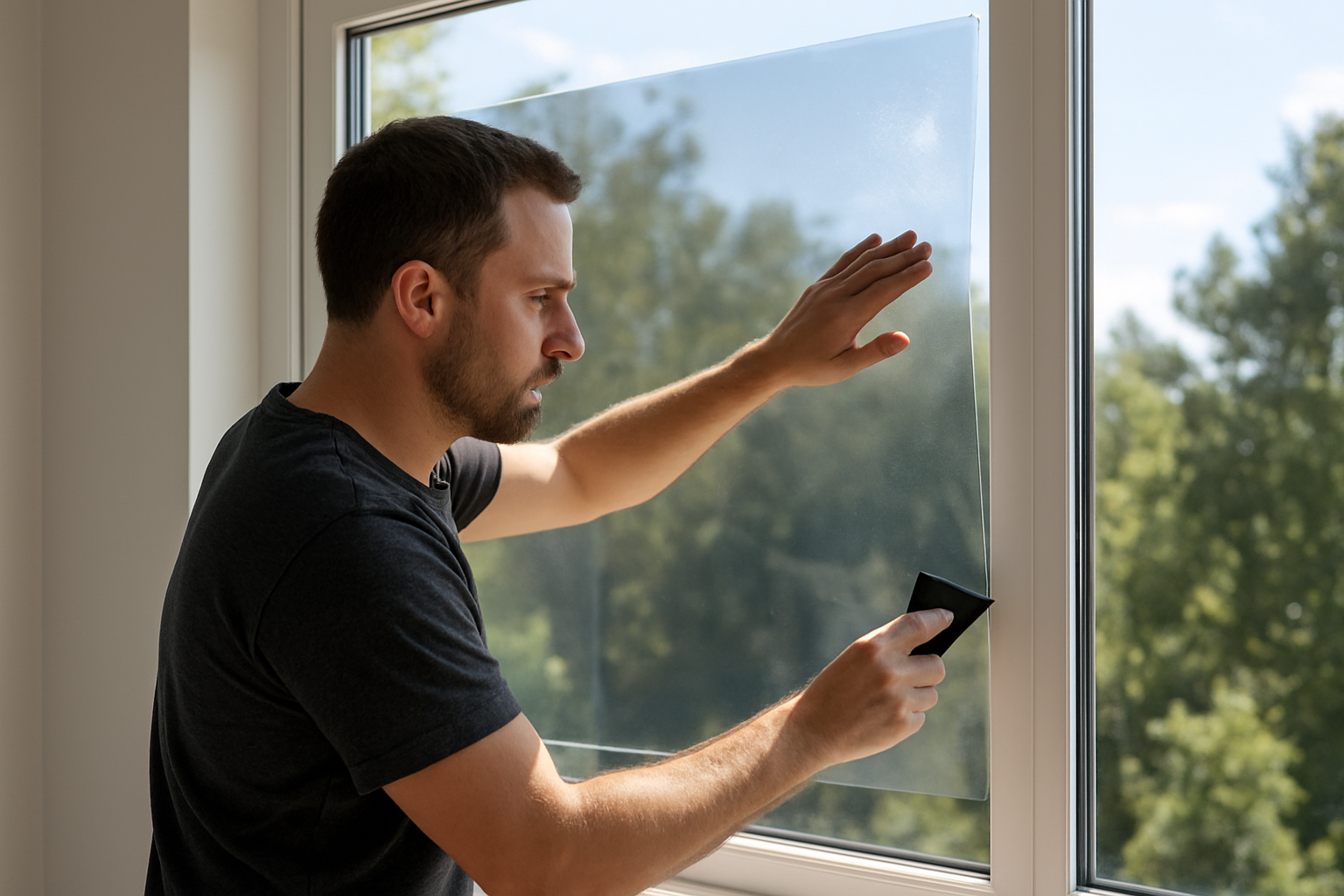
Selecting film is a specification exercise, not a guess, and your payoff comes from aligning numbers to the way you live and work. Begin by mapping the sun’s path across your rooms, noting which spaces overheat or glare at particular times, then collate your glass types and sizes so performance can be modelled properly. Next, weigh aesthetics and privacy with measurable comfort needs, remembering that a lighter, spectrally selective option can outperform an older, dark dye where solar energy is the real enemy. Finally, insist on High-quality films backed by manufacturer lifetime warranties and an installer with documented precision, because the best material delivers only when the installation standard matches the specification on paper.
- Define the problem room by room: record hotspots, glare times, and fading concerns, and gather power bills to understand Heating, Ventilation and Air Conditioning [HVAC] usage patterns.
- Audit your glass: single versus double glazing, safety markings, and orientation, since west and north panes often need stronger control on the Sunshine Coast.
- Prioritise performance metrics: set targets for VLT [Visible Light Transmission] and Solar Heat Gain Coefficient [SHGC] that will preserve views while cutting heat and UV [ultraviolet].
- Shortlist film families: clear UV [ultraviolet] protectors for galleries, spectrally selective ceramics for bright living rooms, reflective options for privacy in commercial sites.
- Model outcomes: ask for estimated room temperature and glare reduction projections based on manufacturer data for your glass configuration.
- Request samples on the glass: evaluate daytime privacy, night-time reflectivity, and color rendering in real conditions before committing.
- Compare warranties and certifications: prefer High-quality films backed by manufacturer lifetime warranties for homes and robust commercial terms, installed by a fully insured local team.
- Specify installation scope: include edge detailing, silicone sealing where needed, furniture protection, and site cleanliness to protect carpets and joinery.
- Plan aftercare: get written cleaning guidance, cure-time expectations, and a service contact to address any optical concerns once films settle.
Cost, Savings, and Warranty Clarity
Window film is one of the most cost-effective building upgrades because it leverages existing glass to deliver solar control, privacy, and UV [ultraviolet] protection without frame replacement. On typical Sunshine Coast homes, installed project budgets often range from 65 to 120 AUD per square metre depending on film type, access, and preparation, while high-spec commercial solutions can sit higher where performance is extreme or panes are large. Energy models and utility data suggest 10 to 30 percent reductions in seasonal cooling energy are achievable where solar gain is significant, and glare reduction often boosts productivity and wellbeing in workspaces and classrooms. To remove risk, Glaze Window Tinting specifies High-quality films backed by manufacturer lifetime warranties for residential projects and strong commercial warranties, and provides clear documentation for claims handling so your investment remains protected for the long term.
| Scenario | Assumptions | Installed Cost | Estimated Annual Savings | Indicative Payback |
|---|---|---|---|---|
| Typical Home | 20 m² of glass, spectrally selective film, west and north aspects | 1,600 to 2,400 AUD | 200 to 450 AUD | 3.5 to 7 years |
| Apartment With Views | 15 m² of glass, clear UV [ultraviolet] + light neutral for glare control | 1,200 to 2,000 AUD | 150 to 300 AUD | 4 to 8 years |
| Small Office | 30 m² of glass, reflective solar control for privacy and heat | 2,700 to 4,200 AUD | 400 to 800 AUD | 3 to 6 years |
Figures are indicative and vary by Heating, Ventilation and Air Conditioning [HVAC] efficiency, occupancy, tariffs, and building envelope. Savings exclude soft gains such as improved screen legibility, reduced eye strain, and extended life for furnishings due to 99 percent UV [ultraviolet] blocking.
Why Glaze Window Tinting Is the Trusted Installer on the Sunshine Coast
Glaze Window Tinting is a family-owned specialist with over 20 years serving Sunshine Coast homes and businesses, combining rigorous product selection with precise workmanship and local knowledge of glare, salt air, and seasonal humidity. The team delivers solutions tailored to your rooms and use cases, from dark tints for serious west-facing heat to virtually invisible spectrally selective films that keep ocean views pristine, plus reflective and frosted privacy options for sensitive areas. Security and safety tinting solutions are available for childcare and aged care settings to help hold glass together during accidental impact while also delivering 99 percent UV [ultraviolet] blocking and meaningful heat rejection. Every project is fully insured, installed with advanced cleanliness and edge detailing techniques, and supported by High-quality films backed by manufacturer lifetime warranties so you have certainty long after installation day.
- Personalised specification: selecting among dark, invisible, reflective, and frosted films to match performance and aesthetic goals.
- Advanced techniques: contamination control, precision trimming, and edge-seal management for a built-with-the-glass look.
- Measured comfort: targeted glare reduction and Solar Heat Gain Coefficient [SHGC] improvement to lighten Heating, Ventilation and Air Conditioning [HVAC] loads.
- Commercial-ready: offices, factories, warehouses, hospitals, schools, day care centers, pubs, clubs, and mixed-use spaces served with proven solutions.
- Service ethos: fully insured, punctual, and committed to exceptional workmanship and aftercare on every job.
Evidence in practice matters, so consider two recent Sunshine Coast outcomes executed by Glaze Window Tinting. A Buderim residence with expansive western sliders received a spectrally selective ceramic film; the owners reported an observed 4 to 6 degree Celsius reduction in late-afternoon room temperature on comparable days and far better TV visibility due to roughly 70 percent glare reduction. A Nambour healthcare clinic struggling with patient comfort in waiting areas adopted a neutral, low-reflective solar control film; staff noted calmer spaces, fewer complaints about afternoon brightness, and a noticeable reduction in Heating, Ventilation and Air Conditioning [HVAC] run time during summer peaks. In both cases, UV [ultraviolet] fade protection was immediate, privacy improved by day, and the installations were covered by manufacturer lifetime warranty support for peace of mind.
uv blocking window film for homes sunshine coast: Key FAQs Answered
How dark does the film need to be to stop heat? Tint strength does not always equal performance, because spectrally selective films can reject heat while maintaining higher Visible Light Transmission [VLT]; Glaze Window Tinting will model options so you do not over-darken your rooms. Will films make my windows mirror-like at night? Interior lighting always reverses privacy after dark with standard films, so consider layered strategies such as blinds or a frosted privacy film in bathrooms and street-facing bedrooms. Can film go on double glazing or low-emissivity glass? Yes, provided the combination is correctly specified to manage Solar Heat Gain Coefficient [SHGC] and thermal stress; experienced installers assess glass type, pane size, and edge condition first. What about cleaning and longevity? After curing, films clean like glass with soft cloths and non-abrasive solutions, and High-quality films backed by manufacturer lifetime warranties protect your purchase for the long term.
What about glare on screens for remote work and study? Target glare reductions of 70 percent or more to improve screen contrast in open-plan spaces and classrooms, and remember that higher Visible Light Transmission [VLT] options can still meet this goal if they are spectrally selective. Will reflective films look too commercial on my home? Many modern reflective or dual-reflective films have softer exterior tones, delivering strong daytime privacy without a harsh mirror aesthetic, particularly on darker interior schemes. Can films crack my glass? Properly specified films are matched to glass thickness, exposure, and frame condition to manage thermal stress; Glaze Window Tinting provides guidance and documentation to safeguard performance and compliance. Do films help in winter? Yes, by lowering U-value [Thermal Transmittance] and reducing drafts, certain films help hold warmth in, making mornings more comfortable while still blocking 99 percent UV [ultraviolet] all year.
Next Steps for a Confident Specification
By now you have the framework to evaluate films like a professional, compare options with confidence, and select an installer who will stand behind the work long after the ladder is packed away. Your next move is simple: prioritise rooms with the highest solar load, gather glass measurements, and request performance targets for Visible Light Transmission [VLT] and Solar Heat Gain Coefficient [SHGC] so proposals from different providers are apples-to-apples. Include questions about warranty terms, edge finishing, and site protection in your request, and ask to see real samples installed on your glass in different lights, because your eyes in your rooms are the final judge. When you want cooler rooms, richer colours, calmer screens, and documented energy savings, Glaze Window Tinting is ready to translate your goals into a precise, enduring solution anchored by High-quality films backed by manufacturer lifetime warranties.
Final Thoughts
Smart solar control is the fastest path to cooler rooms, richer colours, and lower energy use without changing your windows.
Imagine the next 12 months with protected floors and fabrics, steadier Heating, Ventilation and Air Conditioning [HVAC] loads, and daytime privacy that lets you live and work more comfortably in every season.
What is the single room where uv blocking window film for homes sunshine coast would deliver the most relief for you this summer?
Upgrade Sunshine Coast Interiors with Glaze Window Tinting
Glaze Window Tinting installs premium coatings that reduce heat and glare, enhance privacy and safety, and include High-quality films backed by manufacturer lifetime warranties for Sunshine Coast homes and workplaces.
